What Is a Pawpaw?
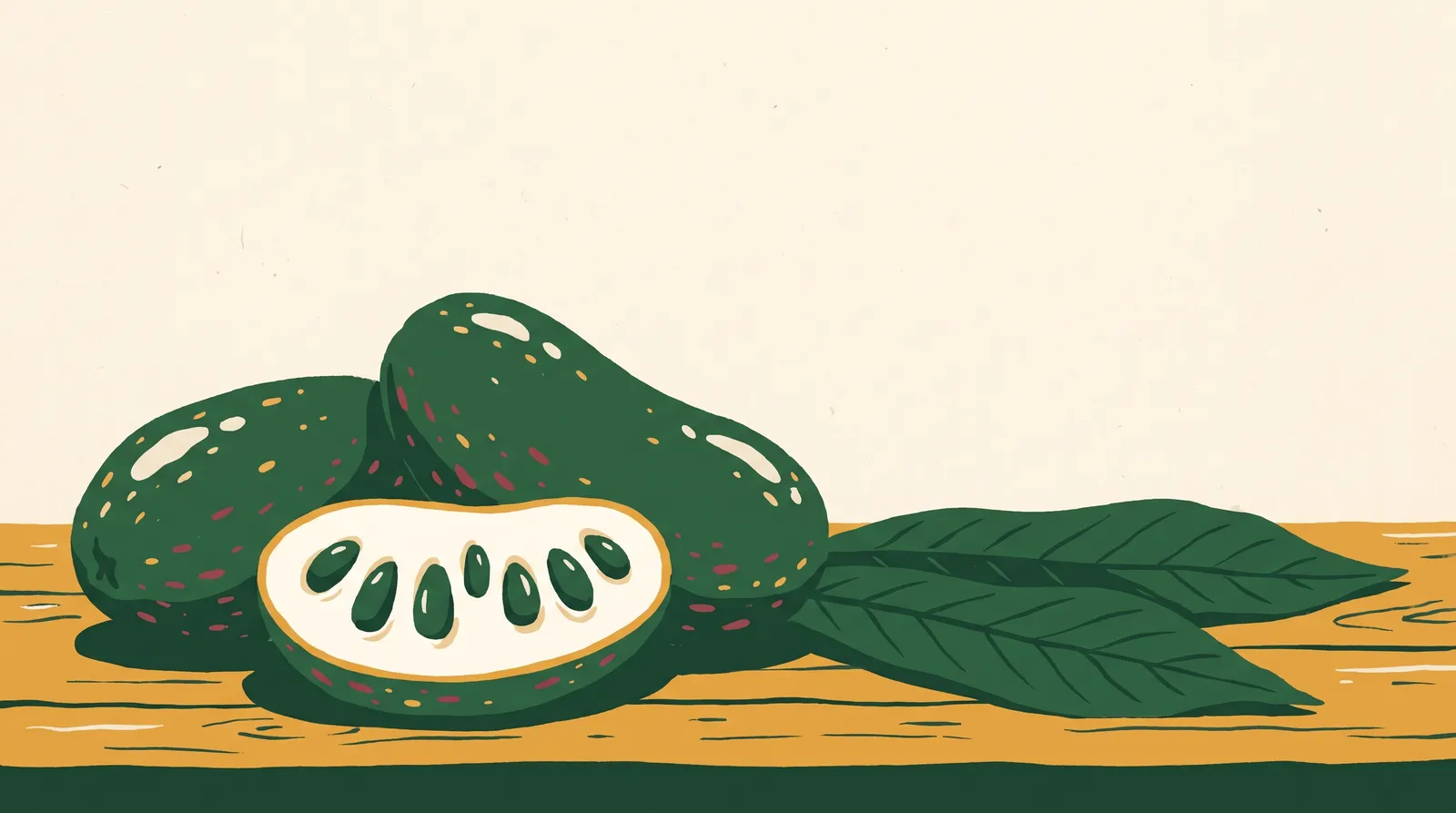
What it is
Pawpaw · Asimina triloba
The pawpaw (Asimina triloba) grows on a small deciduous tree native to 26 states, ranging from northern Florida up to southern Ontario and west to eastern Nebraska (Kentucky State University, which runs the country's flagship pawpaw research program). Despite the tropical flavor, it's a fully temperate native — the northernmost member of a mostly tropical plant family.
Why you won't find it in grocery stores
Shelf life. A ripe pawpaw keeps only a few days at room temperature (about a week refrigerated, per KY State), which makes it too fragile for grocery distribution. That's exactly why farmers markets and farm stands are where pawpaws actually change hands — the supply chain is a table and a short drive.
What it tastes like
Soft, custard-like texture with a complex tropical flavor most tasters describe as banana + mango + pineapple, sometimes with a hint of apple. The pulp works anywhere banana does.
When it's in season
A narrow autumn window: harvest runs from roughly early–late August in the western parts of its range (Illinois) through late August–mid-October in Kentucky — with the national peak in September. Miss it and you wait a year.
| Region | Typical window | Source |
|---|---|---|
| Illinois | Early–late August | Univ. of Illinois Extension |
| Kentucky | Late August – mid-October | KY State Univ. Pawpaw Program |
| National peak | September | Synthesis of the sources above |
Windows are typical ranges from the extension sources below — regional rows exist only where a source publishes them. Weather moves every window; your market's growers are the final word.
How to spot it at a farmers market
Look for a large, heavy, oblong green fruit, often in clusters, with no husk. The skin goes green-to-yellow with dark brown flecks as it ripens — like a banana — and picked fruit may darken to brown or black, which is normal, not rot. A ripe pawpaw yields to a gentle squeeze like a ripe peach and gives off a powerful sweet, tropical aroma.
How to use it
We link to trusted preparation guides rather than writing recipes — these are the ones we'd hand a friend (all checked and working as of our last update):
Frequently asked questions
What does a pawpaw taste like?
Custard-soft pulp with a tropical flavor usually described as banana crossed with mango and pineapple, sometimes with a hint of apple. It substitutes for banana in most recipes.
When are pawpaws in season?
A short autumn window — early August in parts of the Midwest through mid-October in Kentucky, peaking nationally in September. The season is brief and the fruit doesn't keep, so ask your market vendors in late August.
Can you eat pawpaw skin or seeds?
No. Kentucky State University's guidance is pulp only — discard the skin and the large black seeds. The pulp itself contains annonacin, which lab studies flag as neurotoxic, so moderation is the sensible rule.
Why don't grocery stores sell pawpaws?
A ripe pawpaw lasts only a few days at room temperature (about a week refrigerated), which rules out normal produce distribution. Farmers markets and farm stands are essentially the only retail pawpaw supply chain.
Where to find it
Small growers are the whole supply chain for produce like this. Ask at your local farmers market, check farm stands near you, or search by ZIP with the market finder — and if a vendor doesn't have it, ask who might; growers know each other.
Meet the market's stranger produce
A short seasonal email: what's peaking at farmers markets this month — including the unusual stuff worth asking for. No spam, unsubscribe anytime.
→ What's in season right now · Month-by-month calendar
More unusual finds: Ground Cherry · Purslane — or the everyday crops: Tomatoes · Sweet Corn · Watermelon · Peaches
Sources
- Kentucky State University — Pawpaw Program
- Kentucky State University — Pawpaw Description & Nutritional Information
- University of Illinois Extension — The Wonderful Wild Pawpaw
- Neurotoxicology — Annonacin in Asimina triloba fruit: implication for neurotoxicity (peer-reviewed)
Identification and safety guidance above comes from university extension and peer-reviewed sources. When foraging or trying unfamiliar produce, buy from a knowledgeable grower rather than self-identifying in the field — look-alikes are real, and your market vendor handles them every week.